Chasing Hues Through the City

Step into streets where a single color leads your curiosity, and ordinary corners turn into magnetic frames filled with character and surprise. Join our color‑focused city photo walks, discover how one hue reshapes attention, learn practical methods, and connect with a supportive community eager to swap routes, critiques, and small wins that make every outing more rewarding.

Start Smart: Plan Your Next Hue‑Led Stroll

Picking a Dominant Hue That Sparks Curiosity

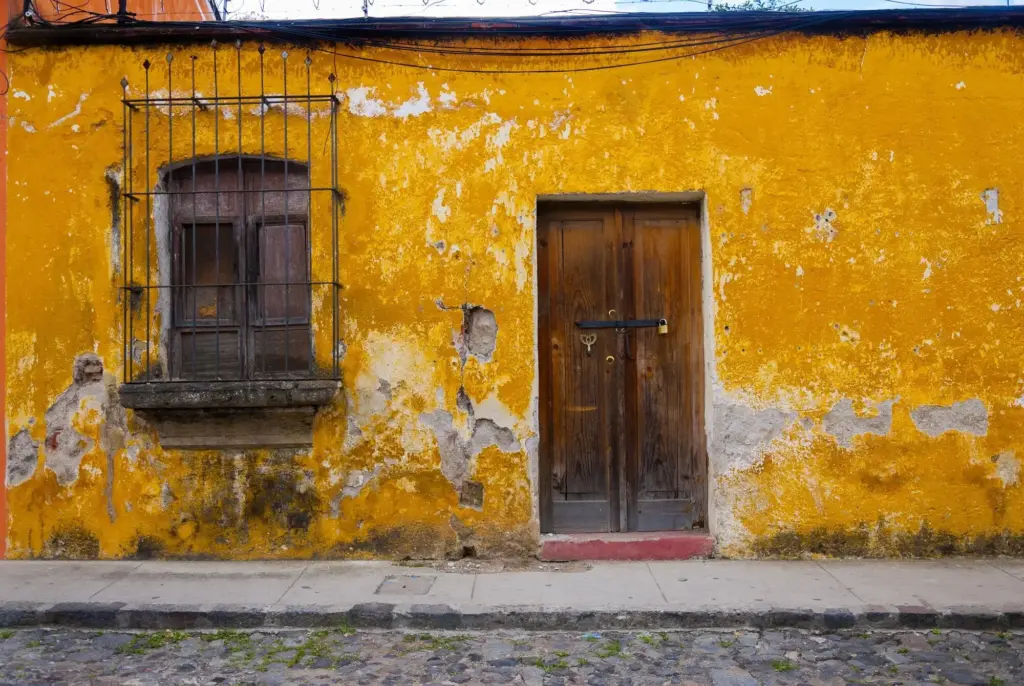
Let your choice carry emotional weight and practical payoff. Red feels urgent and plentiful near signage, cafés, and transit. Blues emerge near water, steel, and shadows. Yellows jump from taxis and construction. Consider what your city offers, your mood today, and what story a single hue might quietly tell.

Designing a Walkable, Color‑Rich Route

Stack the deck in your favor by tracing streets with known murals, market stalls, bike racks, and neon pockets. Use satellite and street‑level views to pre‑spot possibilities. Include loops near transit for quick resets. Favor intersections and corners, where sightlines, reflections, and motion multiply chances for color‑aligned surprises.

Packing Light Without Sacrificing Options
Carry one dependable camera, a fast prime, and your phone for tight spaces or quick notes. Add a polarizer to control glare on painted walls and windows. Comfortable shoes, spare battery, microfiber cloth, and a small snack prevent rushed decisions. Light gear keeps your eyes, not your shoulders, leading.

See Like Colorists: Train Your Eye in the Wild

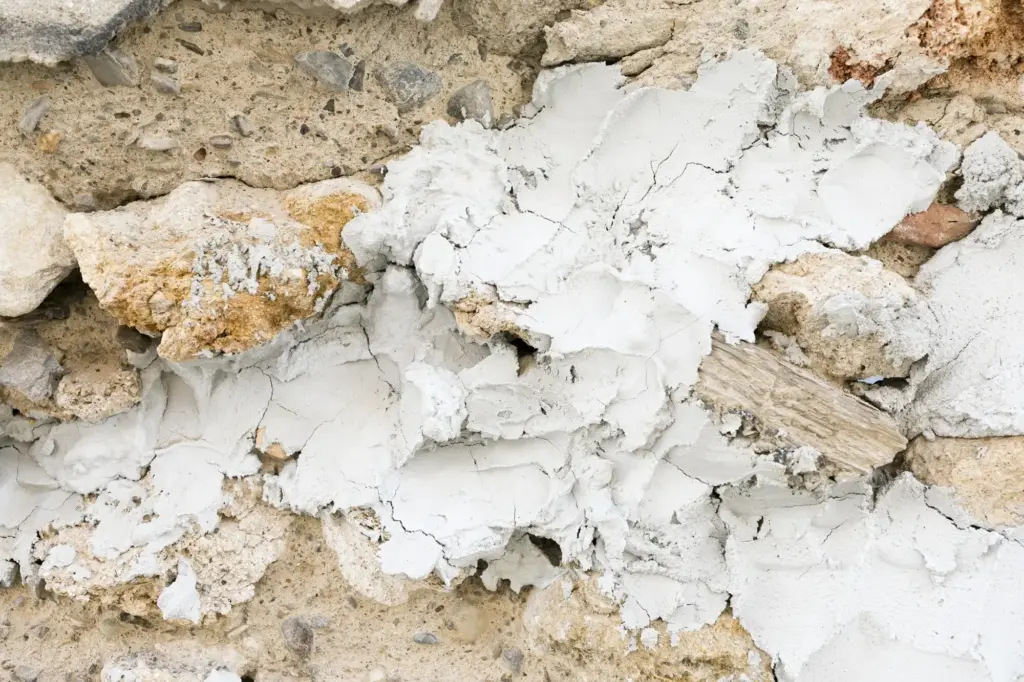
Color rewards patience and intention. Treat every block as a lesson in how light, materials, and context alter perception. Slow down to notice paint aging on doors, LED flicker on signage, and subway tile tint. Accept that accurate color sometimes matters less than expressive color that directs feeling and rhythm.

Sidewalk Stories: Real Moments From Real Walks

A sudden shower cleared tourists, deepened asphalt, and mirrored taillights. One umbrella flashed scarlet under a bus shelter ad, echoing a tiny stop button on a passing scooter. I pre‑focused, waited two breaths, then caught the stride mid‑splash. Rain sharpened reds, while reflections stitched a clean, energetic diagonal.
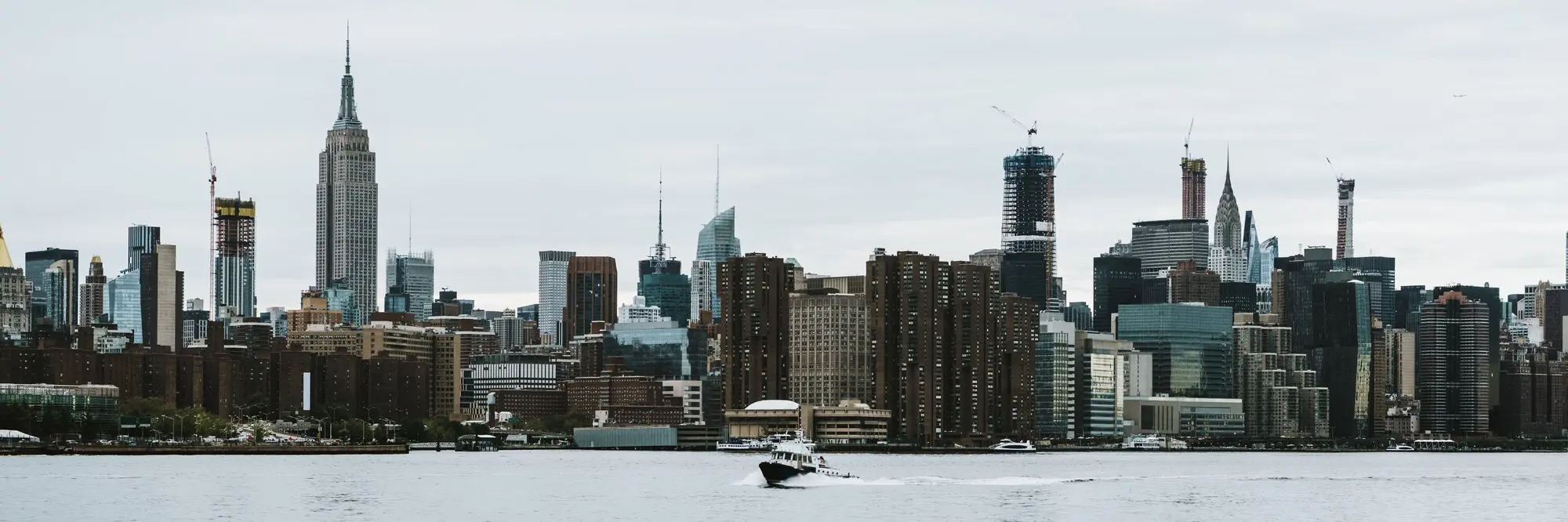
Just after sunset, the river dimmed to slate while billboards cooled to electric cobalt. A cyclist’s jacket matched the steel trusses, and a streetcar added a thin line of azure. I lowered exposure to preserve neon texture, then framed ripples as soft leading lines. Silence and steady breath steadied timing.
Gridlock felt frustrating until rhythm appeared: three cabs aligned with a painted hydrant and a sodium‑lit window. I climbed two steps, waited for a pedestrian in contrasting navy, and shot a short burst. The sequence reads like heartbeat: horn, pause, blink, go. Yellow stopped being noise and became choreography.

Build Community: Walk, Share, and Grow Together

Creativity multiplies when people compare routes, light, and little tricks that save a shot. Invite friends, welcome beginners, and set gentle prompts. Use group chats to coordinate days, publish shared maps, and celebrate small risks. Ask questions, swap edits, and cheer persistence. Momentum thrives on trust and transparent process.

01

Form a Small Crew With Complementary Strengths

Mix a detail‑hunter with a big‑picture framer and someone fearless about approaching strangers. Assign rotating roles: scout, timekeeper, and safety buddy. Brief before walking, debrief after. Different instincts reveal patterns one person misses, and collaboration turns a color focus into layered storytelling that feels lived‑in, generous, and surprising.

02

Share With Hashtags, Maps, and Micro‑Galleries

Create a consistent tag, pin your favorite corners on a public map, and curate tiny sets around one hue and neighborhood. Invite readers to comment with their routes, subscribe for monthly challenges, and submit before‑after edits. Visibility builds continuity, and continuity keeps walks happening even when weather and work complicate schedules.

03

Give Feedback That Encourages Braver Work

Trade notes that ask why certain choices served the color, not just whether an image looks pretty. Point to edges, transitions, and tiny distractions before suggesting crops. Affirm risks taken. Offer one actionable idea per image. Thoughtful critique helps friends return to the street with clearer eyes and steadier courage.
Culling for Consistency Without Losing Surprise
Star images that express the hue clearly, then reserve a few outliers to avoid monotony. Compare similar frames side by side and pick on gesture, micro‑expression, and edge cleanliness. Let one intentional wildcard refresh attention mid‑set. Aim for a beginning, middle, and end readers can feel in sequence.

Grading That Honors Reality Yet Guides Emotion
Start with white balance and exposure, then sculpt saturation locally to protect skin and signage detail. Use HSL to nudge your hero hue without plastic sheen. Subtle split toning separates highlights from shadows. If color carries narrative, heavy filters retreat. Keep textures believable so viewers trust your framing decisions.

Sequence Images Into a Walkable Narrative

Open with a clear statement of color, follow with varied distances, then tuck a quiet, reflective pause before the finale. Repeat shape or pattern as a chorus line. Consider diptychs for call‑and‑response energy. End on a human moment, inviting comments, shares, and a promise to meet on the next walk.

Care, Courtesy, and Safety on the Streets

Respect sustains access. Mind curbs, bikes, and private thresholds. Ask when faces are clear; step aside when business is brisk. Keep valuables tucked, batteries warm, and water handy. Share your live location with a trusted contact. Good manners earn smiles, and smiles unlock shots no shortcut can reliably deliver.