
City Colors: A Visual Index of Urban Facades
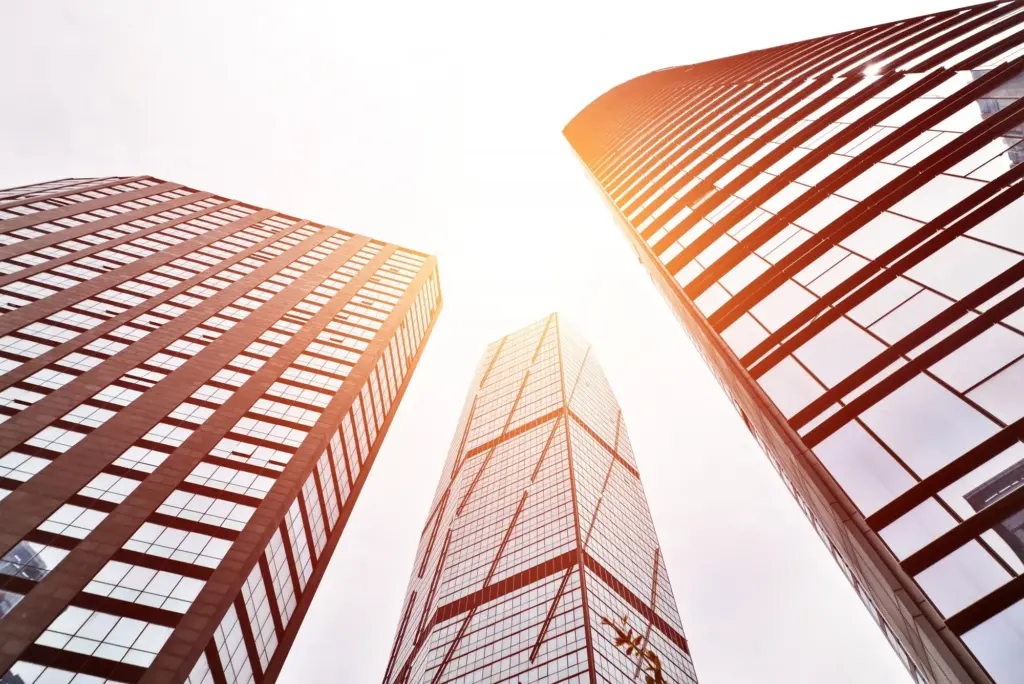
Walk with us through Architectural Facade Studies: Cataloging City Buildings by Exterior Color, where streets become palettes and addresses turn into swatches. We document hues with calibrated methods, pair shades with stories, and map patterns across neighborhoods. Share your observations, submit photographs responsibly, and help us reveal how paint, material, sunlight, and time compose the everyday spectacle that frames commutes, conversations, and city memories.

Echoes of History in Pigment

Before preservation plaques, families and guilds often signaled identity through paint and masonry tints. Tracking facade colors reveals migration waves, shortages after wars, fashionable imports, and municipal incentives. Our catalog links archival notices and interviews to today’s shades, translating faded layers into legible timelines anyone can browse, question, and build upon with firsthand memories from the block.

Psychology on the Sidewalk

Hue and saturation change perceived safety, pace, and warmth. Pastel corridors invite strolling and window-shopping; stark grayscale can sharpen focus yet chill conversation. By observing footfall data against recorded color fields, we test folk wisdom, validate planners’ hunches, and discuss how modest repainting programs might improve belonging, reduce stress, and make wayfinding intuitive without imposing uniformity or erasing cherished quirks.

Policy, Codes, and Neighborhood Identity

Municipal palettes, heritage overlays, and HOA rules all shape what appears at street level. We annotate each entry with relevant guidelines, permitting pathways, and notable disputes, revealing how compromise, craftsmanship, and budgets negotiate the final look. Readers learn to participate constructively, advocate for nuance, and recognize when protective standards preserve character versus when they unintentionally suppress living culture and creative expression.

Field Methods for Reliable Color Capture

Photographic Protocols That Hold Up

We shoot during stable light, bracketing exposures, and include a standardized color checker aligned to the facade plane. Tripods, neutral-density filters, and lens profiles minimize distortion. Notes record sun angle, obstructions, and temporary signage. These details allow future contributors to match conditions, making distant neighborhoods comparable and helping the community trust differences reflect reality rather than gear quirks or hurried technique.

Calibration, Color Spaces, and Naming

Raw files move through a documented pipeline: profile creation, white-balance from the card, and conversion into sRGB and LAB for web and analysis. Swatches receive human-friendly names plus precise references. This dual system invites casual readers and experts alike, bridging storytelling with science, so a warm brick called Harbor Clay is also unequivocally located within measured coordinates any researcher can reproduce.

Weather, Materials, and Light Geometry

Rain darkens stucco, salt blooms marble, and mirrored towers cast accidental tints across neighbors. We log recent conditions, note adjacent reflectors, and measure samples across microfacets where practical. The aim is not sterile perfection but honest context, capturing how color actually reads on foot. Data flags warn analysts and readers when transient factors likely exaggerated or muted a registered hue.
A Taxonomy That Makes Browsing a Pleasure

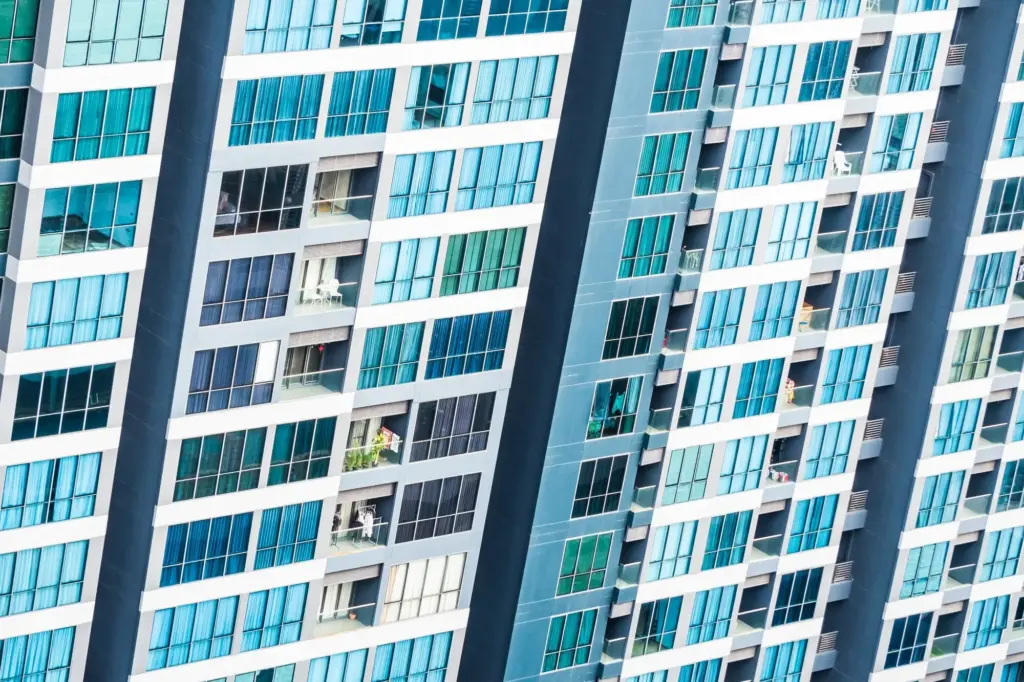
An effective catalog feels intuitive while remaining robust. We organize entries by dominant hue, secondary accents, material, era, and frontage type, then nest by street, block, and district. Cross-tags highlight motifs such as maritime blues or civic beiges. The structure invites serendipity while enabling targeted research, keeping discovery delightful without sacrificing the discipline necessary for longitudinal comparisons and trend spotting.

Maps, Dashboards, and Ways to Explore

Seeing distribution unlocks understanding. Our interactive atlas layers color density, material prevalence, accessibility considerations, and renovation cycles. Time sliders visualize repaint waves following policy changes or economic shifts. Downloadable datasets and embeddable widgets encourage teachers, journalists, and planners to reuse insights. We welcome bug reports, neighborhood annotations, and curious questions that push the tools toward clarity, empathy, and genuine civic usefulness.

Neighborhood Palettes at a Glance

Tile-based heatmaps summarize prevailing hues, while street-level previews reveal exceptions that keep a place surprising. Users can filter by walking time from transit, sun exposure, or storefront concentration. The result invites weekend explorers to design color walks, compare contrasting corridors, and propose gentle interventions where monotony dulls public life or confusing signage overpowers fragile historic subtlety and small architectural rhythms.

Temporal Stories in Color

Animated sequences condense years of repainting into a few seconds, surfacing relationships between weather events, grants, and shifting tastes. When a boulevard blushes coral after canopy replacements, the dashboard notes why. These narratives prevent simplistic conclusions, framing color as living negotiation among maintenance needs, budgets, regulations, and aspirations that a community revisits repeatedly rather than deciding once and forgetting.
Stories Carried by Shades
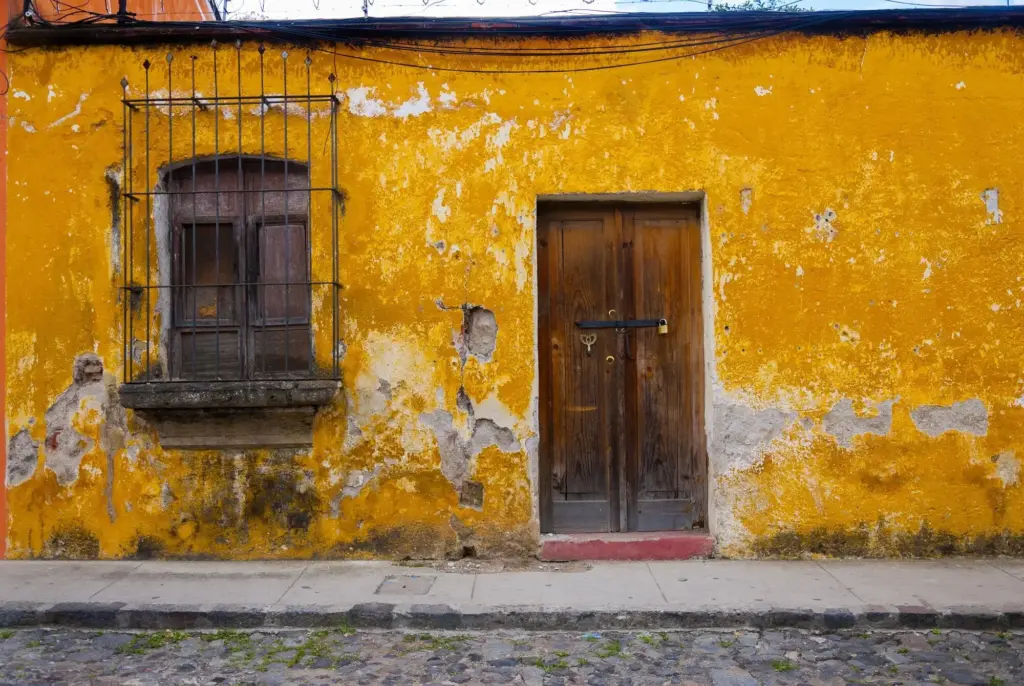
Beyond charts and swatches, people remember feelings, neighbors, and rituals. We collect vignettes where colors feature as quiet protagonists: a bakery’s butter-yellow that calmed first-day nerves, a courthouse beige softened by trees, a marine district’s resilient blues. These accounts deepen data, inviting readers to share their own moments and help archive the emotional intelligence embedded in everyday streetscapes.

Durability, Patina, and Honest Aging

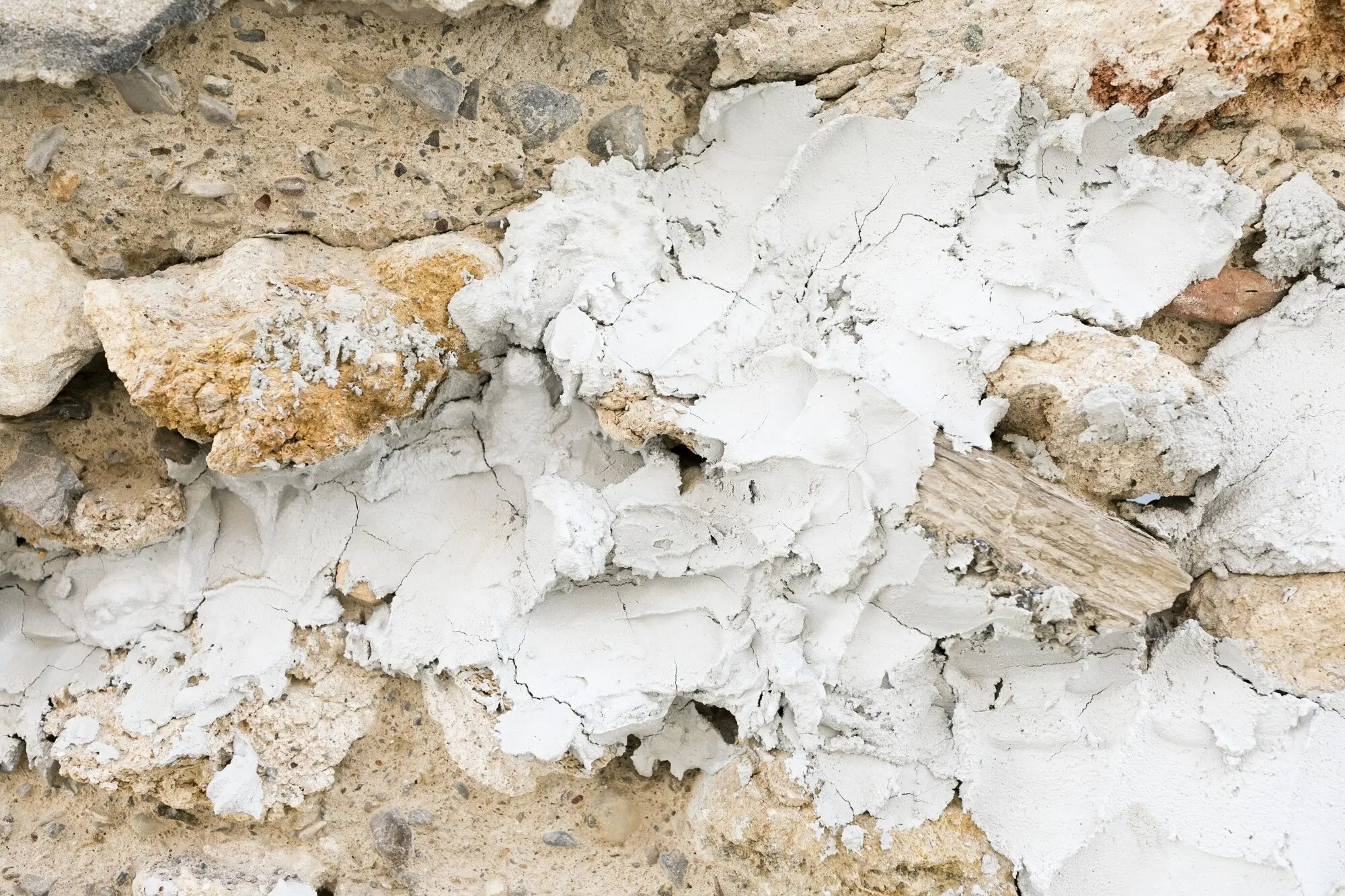
Mineral paints breathe with masonry; acrylics resist with flexible films; oils carry unmatched depth yet demand care. We compare real-world performance across districts, celebrating honest wear that adds narrative while warning against short-term fixes. Humbled by old walls, we prioritize compatibility, testing, and patience, so tomorrow’s photographs still sing rather than catalog regrets beneath predictable blisters and chalking.

Maintenance Cycles and Neighborhood Rhythms

Repainting schedules ripple through a street like tides. Coordinated efforts reduce scaffolding fatigue and create communal moments of refresh. Our guidance balances cost, access needs, and weather windows, while case studies reveal how small grants unlocked painted trims that revived corners. Readers can adapt checklists to organize, fund, and celebrate work days that strengthen bonds alongside renewed color.